The bench
Custom cabinetry & millwork in Scottsdale
Everything built to fit one house. Drawn in the shop, cut to the millimeter, installed to the sixteenth.
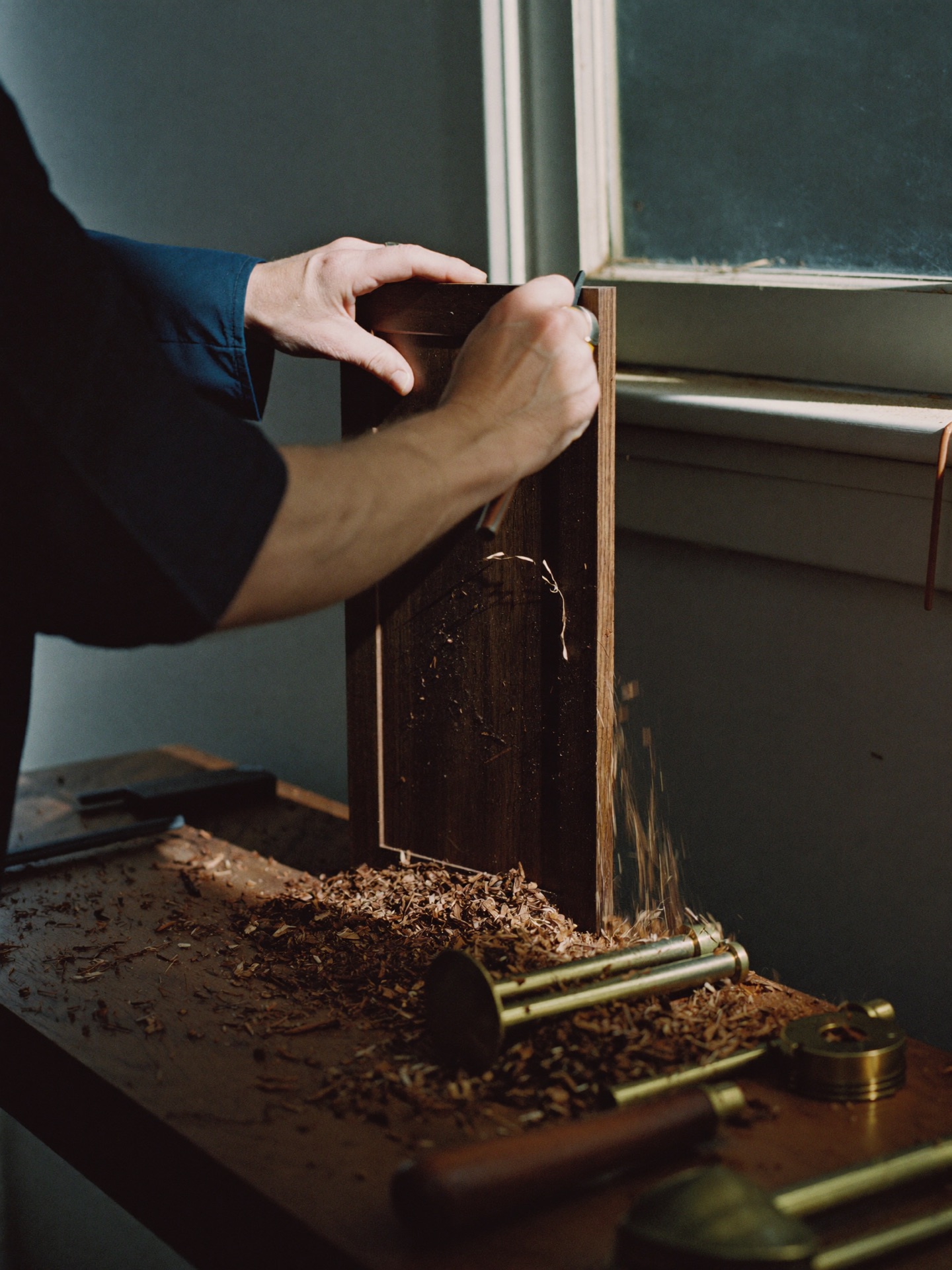
Cabinetry is the part of a kitchen you touch most and notice least — until it is wrong. A drawer that racks, a door that sits proud, a gap that grows across a run: these are the tells of stock boxes forced into a custom room. We build the opposite. Every cabinet is drawn for your walls and made in the shop, so the room reads as one piece instead of a wall of parts.
Inset or frameless
Inset doors sit flush inside the face frame, like a good piece of furniture. It is the traditional build and the most demanding — every reveal is visible, so every reveal has to be right. Frameless (full-overlay) doors cover the box for a cleaner, more contemporary line and a little more room inside. Neither is better; they are different languages, and we help you pick the one your house is already speaking.
Paint-grade, or let the wood be the finish
Paint-grade cabinetry is built from a stable hardwood — maple, poplar — and finished in any color you like. It is the workhorse of a classic kitchen, and it takes a glazed green as happily as an off-white. When you want the grain itself to be the finish, we move to rifted white oak or walnut, quarter-sawn for a straight, quiet figure. Many of our kitchens mix the two: a painted perimeter with a wood island, or the reverse.
Shop drawings come first
Before a board is cut, you get shop drawings: every cabinet, every reveal, every hinge and pull, drawn to the millimeter. You approve them, and only then does the shop start. It is the step that separates cabinetry that fits from cabinetry that almost fits, and it is where most of the thinking happens.
On hardware
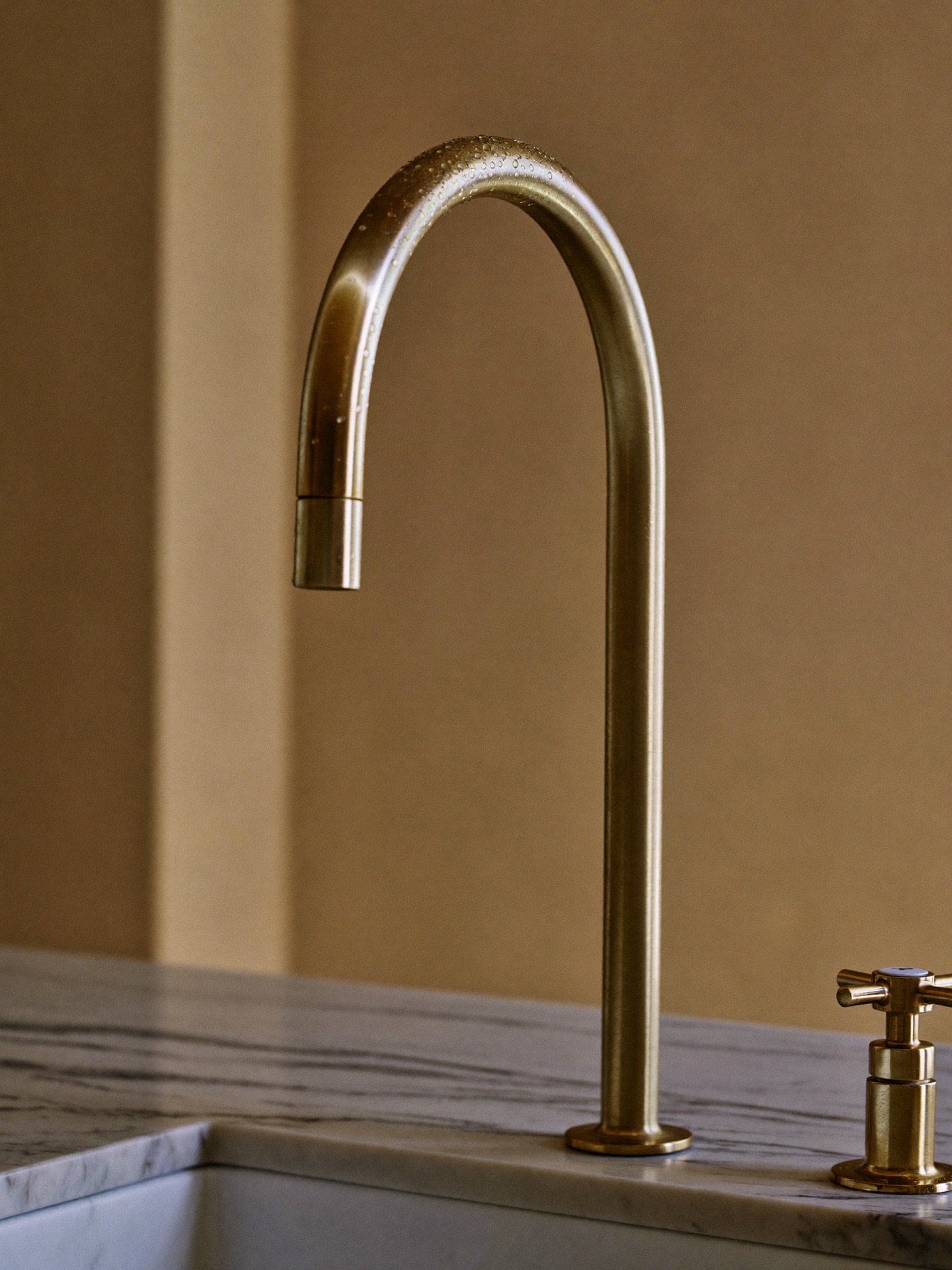
We use solid unlacquered brass pulls and knobs because they age the way the room does — darkening and softening with use into a finish no coating imitates. Being solid rather than plated, they also outlast the cabinetry. If you would rather a finish that never changes, we spec bronze or a lacquered brass and say so at the drawing stage.
Stock cabinetry fills a room. Custom cabinetry finishes it — the difference is a sixteenth of an inch, held across the whole run.
Lead time and cost
Custom cabinetry runs an 8 to 12 week shop lead time from approved drawings to delivery, scheduled in parallel with the rest of the build so it does not extend your timeline. Honest 2026 ranges, per room:
| Custom cabinetry, per room | $40,000 – $150,000 |
|---|---|
| Shop lead time | 8–12 weeks from approved drawings |
| Typical range | Inset, paint-grade to walnut |
Questions we get first
Inset or frameless — what's the difference?
Inset doors sit flush inside the face frame, like fine furniture — tight, traditional, most demanding to build. Frameless doors cover the box for a cleaner line and a little more interior space. Inset costs more for the labor it takes to sit right.
Paint-grade or wood?
Paint-grade is a stable hardwood finished in any color — the workhorse of a classic kitchen. Rifted white oak and walnut are for when you want the grain to be the finish. Many kitchens mix the two: painted perimeter, wood island.
Why unlacquered brass hardware?
It ages. Solid unlacquered brass darkens and softens into a finish no coating imitates, and being solid rather than plated it outlasts the cabinetry. Prefer constant? We spec bronze or lacquered brass instead.
How long does it take?
An 8–12 week shop lead time from approved drawings, running in parallel with the rest of the project so it does not add to the schedule. Shop drawings come first, and you approve them before a board is cut.
The first act
Let's draw it to fit.
A designer visits, measures, and comes back with a direction and an honest range. No charge, no obligation.
Book a consultation